

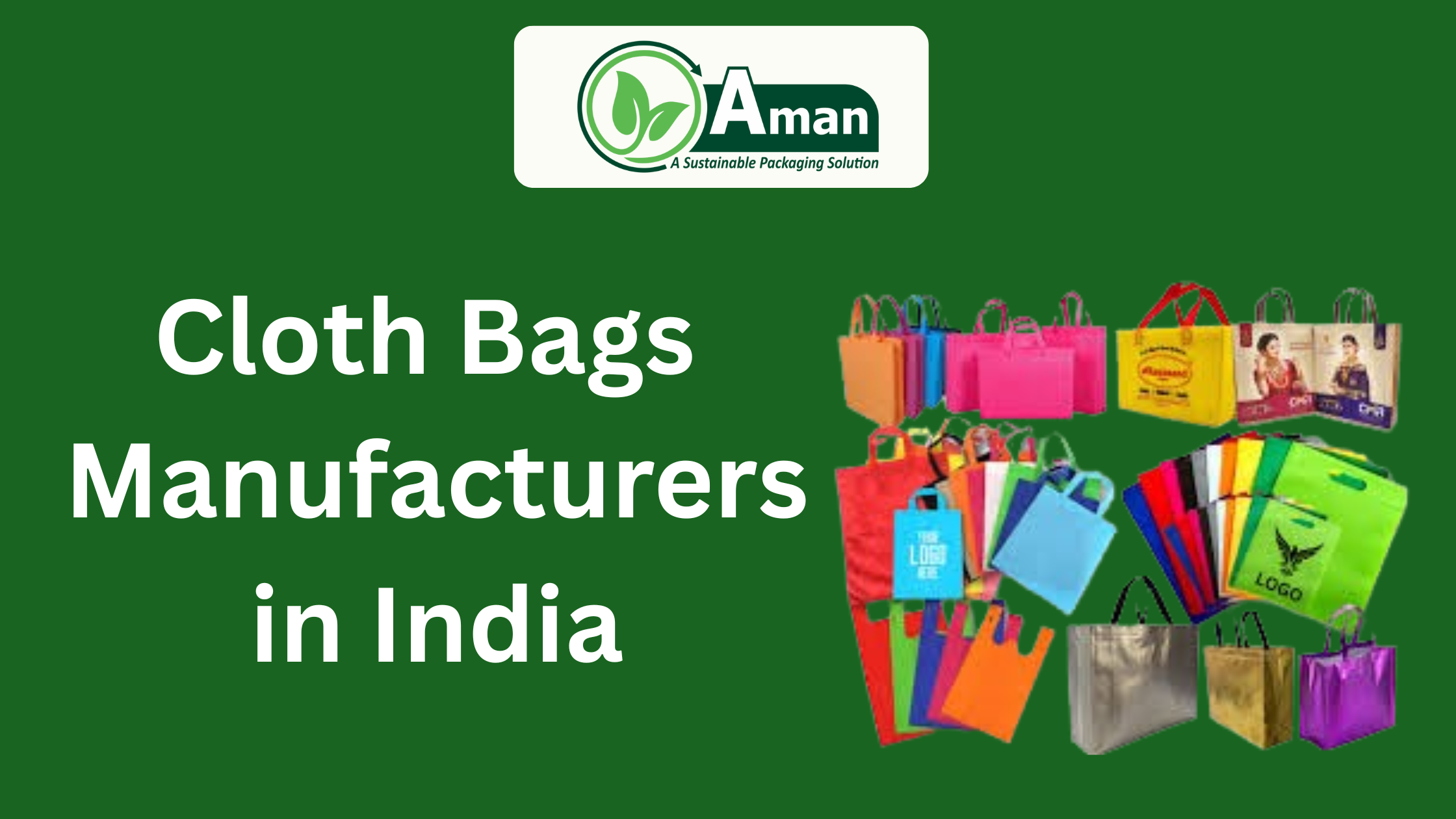
Cloth bags are among the most reliable and environmentally friendly packaging solutions in a world where sustainability has ceased to be an option. Everybody-from retailers and supermarkets to corporate brands and event organizers-is switching over to reusable cloth bags for packaging, promotion, and even daily uses. This increasing demand has also encouraged many Cloth Bag Manufacturers in India to continuously innovate and supply quality cloth bags that effectively combine strength, brand value, and ecological ethics.
The following blog covers everything from the advantages of cloth bags, their different types, their manufacturing process, their various features, market demand, and some valuable suggestions on how to choose a suitable manufacturer for them. Further, we will depict how complementary packaging solutions, such as Zipper Bags, can help elevate a business’s product packaging strategy. Brands like Aman Polyplast, known for offering reliable and innovative packaging solutions, make it easier for businesses to adopt eco-friendly and premium-quality packaging products.
Why Cloth Bags Are the Future of Sustainable Packaging
Cloth bags have Changed the packaging industry owing to their unbeatable sustainability, strength, and multi-purpose usage. Here’s why clothing bags are future of sustainable packaging
- Recycled and Eco-Friendly
Cloth bags are made from natural fibers that include cotton, canvas, and jute. These bags are biodegradable, washable, and reusable; hence, they help reduce plastic pollution at a significant rate. More eco-friendly awareness draws businesses to the use of cloth bags.
- Superior Strength and Durability
Cloth bags have a great carrying capacity compared to ordinary plastic bags. They will be able to carry groceries, garments, accessories, books, and many more items without tearing. This makes them cost-effective for businesses and long-lasting for consumers.
- Highly Customizable for Branding
One of the major benefits of cloth bags involves customization. Companies are able to print on the bags their logos, taglines, or creative designs. This helps boost brand visibility and provides customers with a reusable product that they value.
- Cost Friendly During Bulk Production
Large orders reduce the cost of production drastically. Manufacturers competitively price bulk printing, and hence cloth bags are ideal for events, corporate gifting, retail packing, and promotion.
🚀 Looking for a Trusted Cloth Bag Manufacturer in India?
If you want durable fabric, premium printing, competitive pricing, and fast delivery, partner with Aman Polyplast—a trusted name in eco-friendly packaging solutions.
👉 Request Free Samples
👉 Get Best Prices for Bulk Orders
👉 Consult Packaging Experts Directly
📞 Call Now & Upgrade to Sustainable Packaging
Types of Cloth Bags Available in the Market
Cloth bag manufacturers create different types of bags to fit the demand from different industries. Some of the cloth bags in high demand include :
- Cotton Tote Bags
Lightweight, washable, and stylish, cotton tote bags are used by shoppers, students, and retail brands alike. They are perfect for branding and promotions.
- Canvas Bags
The bags are thick, strong, and of premium quality. They can be used to carry books, electronics, and grocery items, among other things that require heavy-duty bags.
- Jute Bags
These bags are fabricated with natural jute fibers and therefore possess a rustic and eco-friendly look. They are extremely popular among boutique stores, gift shops, and luxury brands.
- Drawstring Bags
Drawstring cloth bags are used in footwear stores, jewelry packaging, cosmetics, and return gift packaging. They are convenient, compact, and reusable.
- Promotional Cloth Bags
Companies use promotional cloth bags in corporate events, exhibitions, or marketing campaigns because they provide excellent branding space with long-term visibility.
Cloth Bag Manufacturing Process
A reliable Cloth Bag Manufacturer follows a manufacturing process that involves quality-based production for strength, consistency, and finishing.
- Step 1 – Fabric Selection
In selecting the finest fabric material, such as cotton, canvas, or jute, the manufacturing process is initiated. The choice depends on required quality, finish, and customer needs.
- Step 2 – Cutting and Shaping
The automated cutting machines make certain that the cutting of cloth pieces is clean and accurate. The shape and size depend upon the customer’s specifications and intended usage.
- Step 3 – Stitching and Reinforcement
Heavy stitching ensures strength and durability. Reinforced handles, double stitching, and a high-quality finish ensure the bags withstand everyday use.
- Step 4 – Printing and Customization
Some printing options given by manufacturers include:
- Screen printing
- Digital printing
- Heat transfer printing
- Embroidery
These techniques help businesses achieve high-profile and long-lasting branding.
- Step 5 – Quality Inspection
Each cloth bag is checked for stitching strength, printing quality, fabric consistency, and finishing. Only flawless bags proceed to packaging.
- Step 6 – Packaging and Dispatch
The finished bags are packed by the manufacturers and promptly dispatched to retailers, corporates, and distributors across India.
Why Businesses Prefer Cloth Bags Over Plastic
Industries of all sizes, from FMCG to fashion, prefer cloth bags because:
- Better customer appeal
- Sustainability and reusability
- Better perceived value
- Long-term cost savings
- Multiple branding opportunities
The cloth bags will also enable companies to improve their brand reputation through eco-friendly initiatives.
While cloth bags are perfect for retail and gifting, businesses often need additional packaging solutions for airtight and other product-specific needs. That’s where Zipper Bags come in.
Zipper Bags allow for airtight sealing, moisture protection, and keep products fresh. They are extremely useful when used for:
- FMCG products
- Food packaging
- Cosmetic items
- Stationery
- Small accessories
Cloth bags for outer packaging and zipper bags for internal product security create a full and premium packaging solution for brands.
Combining Cloth Bags with Zipper Bags for Complete Packaging
Combining cloth bags with zipper bags offers a smart and complete packaging solution that balances sustainability, protection, and premium presentation. Cloth bags provide an eco-friendly and reusable outer layer, enhancing brand value and customer experience. When paired with inner zipper bags, products get added protection against moisture, dust, and contamination.
This dual-layer packaging approach is ideal for food items, garments, cosmetics, promotional kits, and premium products. The zipper bag ensures freshness, leak resistance, and easy resealing, while the cloth bag adds durability and a stylish, natural look. It also allows brands to reduce single-use plastic while maintaining product safety.
From a branding perspective, both layers can be customized—printed cloth bags for sustainability messaging and zipper bags for product information and shelf appeal. Together, they create a secure, attractive, and responsible packaging solution that meets modern consumer expectations and supports eco-conscious branding.
Conclusion
Cloth baggage has grown to be a critical part of sustainable packaging solutions across industries. They are reusable, eco-friendly, sturdy, and excellent for branding. Whether you are a retail emblem, grocery store, or corporate business enterprise, picking up the proper cloth bag producers guarantees top-first-rate bags designed for durability and patron delight. Furthermore, integrating complementary packaging merchandise along with Zipper Bags will facilitate your brand in imparting whole, stable, and top class packaging. Manufacturers like Aman Polyplast play a key role in delivering reliable, extraordinary packaging solutions that aid sustainability and brand enhancement.
📞 Ready to Switch to Eco-Friendly Packaging?
👉 Get Free Cloth Bag Samples
👉 Receive Best Bulk Pricing
👉 Talk to Packaging Experts Today
📞 Call Aman Polyplast Now & Elevate Your Brand Packaging
FAQs
1. What materials are commonly used to make cloth bags?
The Materials Used to make Clothes bags are – cotton, canvas, jute, and non-woven fabric.
2. Are cloth bags better than plastic bags?
Yes. Cloth bags are much better than plastic bags because cloth bags are reusable, biodegradable, and more durable than plastic bags which are eco friendly and cost effective.
3. Can I customize cloth bags with my brand logo?
Yes, . Cloth Bag Manufacturers offer full customization including logo printing, color selection, design, and size variations.
You May Also Like – Best Packaging Company in India – Leading the Future of Smart & Sustainable Packaging Solutions